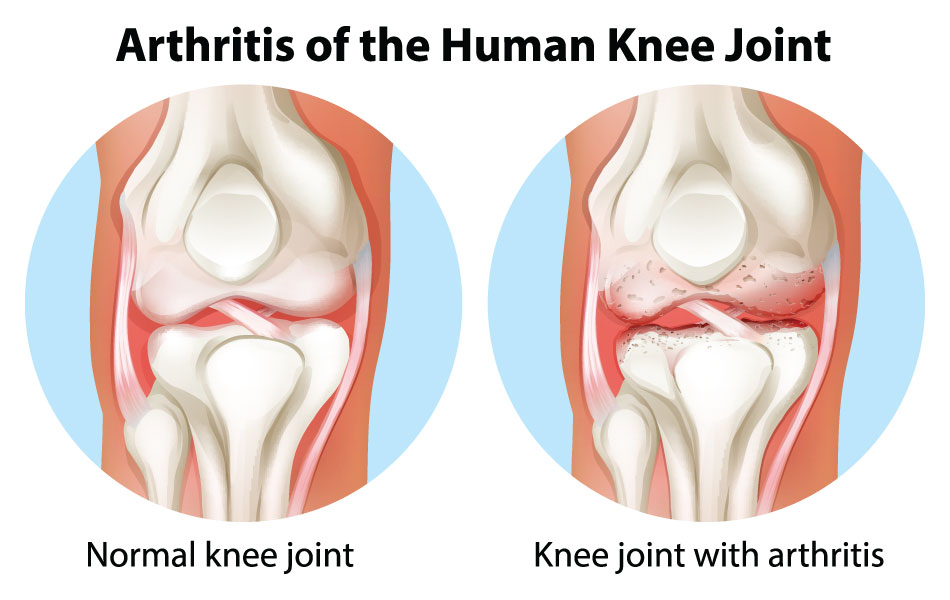

Knee osteoarthritis (OA) is a degenerative joint condition that affects millions of people worldwide. As the cartilage in the knee wears down, it can lead to pain, stiffness, and limited mobility. There are several treatment options available, each with its own benefits and drawbacks. In this post, we’ll explore the most common treatments for medium to end-stage knee osteoarthritis.
1. Physical Therapy and Exercise
Pros:
- Improves joint function: Physical therapy can strengthen the muscles around the knee, improving support and function.
- Non-invasive: This approach avoids surgery and the risks that come with it.
- Promotes flexibility: Stretching and low-impact exercises like swimming or cycling can improve joint mobility and reduce stiffness.
- Low cost: Compared to surgical options, physical therapy is relatively affordable.
Cons:
- Limited relief for severe cases: In medium to end-stage OA, physical therapy may only provide temporary or moderate relief.
- Requires consistency: Results depend on ongoing commitment to exercise and therapy, which can be challenging and time consuming for many people.
2. Medications (NSAIDs, Acetaminophen, Corticosteroids)
Pros:
- Quick pain relief: Non-steroidal anti-inflammatory drugs (NSAIDs) and acetaminophen can offer fast, temporary pain relief.
- Corticosteroid injections: These can provide localized relief for weeks or even months.
- Widely available: Medications are easily accessible and can be tailored to a patient’s specific needs.
Cons:
- Side effects: Long-term use of NSAIDs can cause gastrointestinal issues, high blood pressure, and increased risk of heart disease. Corticosteroid injections can weaken tendons and cartilage over time.
- Temporary relief: These medications do not address the underlying cause of arthritis and only manage symptoms.
- Diminishing returns: Over time, patients may require higher doses for the same relief, leading to increased risk of side effects.
3. Hyaluronic Acid Injections
Pros:
- Improved lubrication: Hyaluronic acid, a substance naturally found in the joints, can help lubricate the knee joint and reduce pain.
- Minimally invasive: The procedure involves a simple injection and can be performed in a doctor’s office.
- Longer relief: Some patients experience pain relief for several months after treatment.
Cons:
- Not effective for everyone: Results can vary, and some patients may not experience significant relief.
- Temporary: Like corticosteroid injections, the benefits of hyaluronic acid injections are short-term and do not reverse joint damage.
- Cost: Depending on insurance, this treatment can be expensive and may require multiple injections over time. Often times, insurances refuse to cover the cost.
4. Knee Braces and Assistive Devices
Pros:
- Reduced strain: Braces can help stabilize the knee joint, redistributing weight and reducing strain on affected areas.
- Non-invasive: Knee braces, canes, and other assistive devices are non-invasive and can be used as needed for support.
- Affordable: Compared to medical procedures, braces are cost-effective and easily accessible.
Cons:
- Limited effectiveness: Braces and devices can alleviate symptoms but do not address the root cause of the arthritis.
- Temporary solution: These are typically used as a short-term measure to reduce pain and improve mobility but won’t stop the progression of the disease.
5. Total Knee Replacement (TKR)
Pros:
- Long-term solution: For patients with severe knee osteoarthritis, total knee replacement is often the most effective long-term treatment.
- Pain relief and improved mobility: Most patients experience significant pain relief and restored function after recovery.
- Durability: Modern prosthetics can last 15-20 years, providing lasting relief for many patients.
Cons:
- Invasive: Knee replacement is major surgery, with inherent risks such as infection, blood clots, and long recovery times.
- Extended recovery: Patients may need several months of physical therapy to regain strength and mobility.
- Cost: Knee replacement surgery is expensive and may not be fully covered by insurance in some cases.
6. Genicular Artery Embolization (GAE)
Pros:
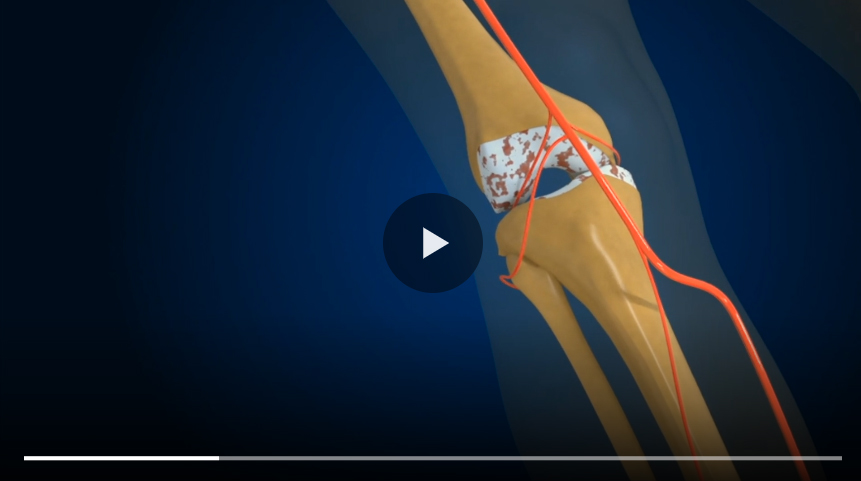
- Minimally invasive: GAE is a procedure that reduces inflammation by blocking blood flow to the inflamed areas of the knee, without the need for surgery.
- Significant pain relief: Many patients experience lasting pain reduction, with improvements in mobility.
- Faster recovery: Compared to surgical interventions, GAE offers a quick recovery time, often allowing patients to resume normal activities within days.
Cons:
- Limited availability: GAE is a newer procedure and may not be widely available. Dr. Nutting is one of a few physicians in the Metro Denver area consistently performing GAE.
- Not a cure: GAE addresses inflammation but does not reverse the damage to the joint itself.
Conclusion
Medium to end-stage knee osteoarthritis can severely impact quality of life, but a range of treatment options are available to address pain and restore function. Non-invasive treatments like physical therapy, medications, and injections offer temporary relief and can be effective for some patients. However, for more severe cases, minimally invasive procedures like GAE may provide more lasting solutions. If you’re curious or would like more information about GAE, don’t hesitate to make an appointment with Dr. Nutting.