Quick answer: Coverage for genicular artery embolization varies by plan. Many commercial insurers still classify GAE for knee osteoarthritis as investigational or experimental in their written policies, but that is not the end of the story. Our team works on insurance approval for every patient, and we have secured approval with major commercial plans. Traditional Medicare does not require prior authorization for the procedure, while Medicare Advantage plans do. We confirm your coverage before anything is scheduled, so you are not left with a surprise bill.
If you are exploring genicular artery embolization (GAE) for ongoing knee pain, one of the first questions is usually whether insurance will pay for it. It is a fair question, and the honest answer is that coverage is complicated and still evolving. Here is a clear, current look at where GAE insurance coverage stands, why it varies so much, and how we confirm exactly what your plan will do.
What Is Genicular Artery Embolization?
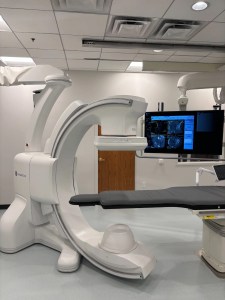
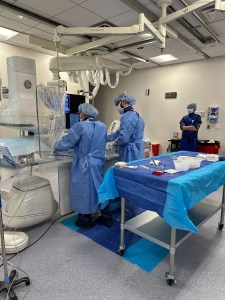
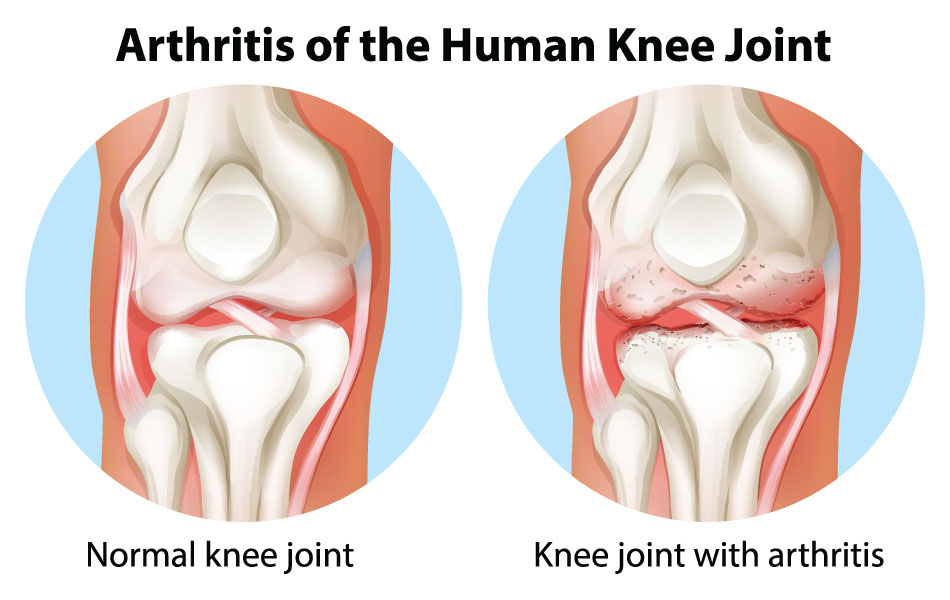
Genicular artery embolization is a minimally invasive, image-guided procedure performed by an interventional radiologist. Using a tiny catheter guided by advanced imaging, the physician reduces blood flow through the small genicular arteries that feed the inflamed lining of an arthritic knee. By calming that abnormal blood flow, GAE aims to ease the inflammation that contributes to osteoarthritis knee pain. It is performed on an outpatient basis, without open surgery, and it has drawn growing interest as an option for managing knee osteoarthritis pain, including for people hoping to delay or avoid knee replacement. Studies so far have reported encouraging results for pain relief, though research is ongoing, and whether GAE is appropriate for you is a decision to make with a qualified physician.
So, Does Insurance Cover GAE?
It depends on your insurer and your specific plan. The main reason is how payers currently classify the procedure. Because GAE for knee osteoarthritis is still considered a newer, emerging treatment, a number of commercial insurers label it investigational or experimental in their written medical policies and decline coverage on that basis. Others have no specific GAE policy at all, which is not the same as approval and does not guarantee a claim will be paid.
What a written policy says and what happens on an individual claim are not always the same thing. That is why we have a dedicated team that works on insurance approval, knows what each payer requires, and has secured approval with major commercial plans. We confirm approval before we proceed with treatment, so you are not surprised by a bill afterward.
What About Medicare?
Traditional Medicare does not require prior authorization for genicular artery embolization, so the procedure does not wait on an approval decision before it can be scheduled. Reimbursement to the practice is not always what we would hope for, but that is a billing matter on our end rather than something that lands on the patient.
Medicare Advantage plans, sometimes called Medicare replacement plans, work differently. Those plans do require prior authorization. Our team handles that submission for you and confirms the approval before your procedure is scheduled.
Why Coverage Is So Inconsistent
GAE sits in a familiar spot for newer medical procedures: clinical interest and patient demand are growing faster than insurance policy. A growing body of studies has reported meaningful short and medium-term pain relief for many patients, but insurers generally want more long-term evidence before they adopt standard coverage. As that research matures, and as the interventional radiologists performing GAE continue to take part in ongoing clinical studies, coverage policies may change. For now, that lag between promising results and payer policy is the main reason the same procedure can be covered for one patient and denied for another.
How We Find Out What Your Plan Covers
You do not need to call your insurance company. Our team verifies your benefits as part of getting you scheduled, and here is what that involves:
- We contact your plan about genicular artery embolization for knee osteoarthritis specifically, rather than knee treatment in general, because that distinction changes the answer.
- We check whether your plan carries an investigational or experimental exclusion that would apply to GAE, and we get that answer documented.
- We find out what prior authorization and documentation your plan requires and what it considers medically necessary, including the embolization procedure code that applies, often CPT 37242 or 37243.
- If you have a Medicare Advantage plan, we submit the prior authorization and track it through to a decision.
- We explain what we find before you commit to anything, so there are no surprises later.
If GAE Is Not Covered, What Are Your Options?
If your plan will not cover GAE, you still have options, and a consultation is the best place to review them. Depending on your situation, those can include an appeal, which our team prepares with supporting documentation of medical necessity from your physician, a self-pay path, or applying funds such as an HSA or FSA if your plan allows it. Every situation is different, which is exactly why a conversation with the care team is more useful than a general answer found online.
Talk With a GAE Specialist
Because coverage is so individual, the most useful next step is a consultation. At Image Guided Therapy in Greenwood Village, Colorado, Dr. Charles Nutting and our team evaluate whether GAE is an appropriate option for your knee and help you understand your coverage and choices before any decision is made. Learn more about genicular artery embolization, read about Dr. Nutting’s experience, or contact us to schedule a consultation.
Frequently Asked Questions
Is GAE covered by insurance?
It depends on your plan. Many commercial insurers still classify genicular artery embolization for knee osteoarthritis as investigational in their written policies, and some plans have no specific policy at all. That is why we have a team dedicated to prior authorization and benefit verification. They work your approval before anything is scheduled, and we have secured approval with major commercial plans.
Does Medicare cover GAE?
Traditional Medicare does not require prior authorization for GAE. Medicare Advantage plans, sometimes called Medicare replacement plans, do require it, and our team handles that approval for you before your procedure is scheduled.
Why do insurers call GAE investigational or experimental?
GAE is a newer treatment for knee osteoarthritis. Although studies have reported pain relief for patients with knee osteoarthritis, insurers generally want more long-term evidence before they provide standard coverage, so they classify it as investigational for now. That classification can change as research matures.
Can I appeal if my GAE claim is denied?
Yes. Many denials can be appealed, usually with documentation of medical necessity from your physician. Appeals do not guarantee a different outcome, but they are often worth pursuing, and your care team can help you prepare the supporting information.
How do I find out what GAE would cost me?
Start with a consultation. From there our office handles the insurance side, including benefit verification and any prior authorization your plan requires, so you do not need to call your insurance company yourself. Because coverage and any out-of-pocket responsibility depend on your specific plan, that consultation is the fastest way to get a real answer rather than a general one.