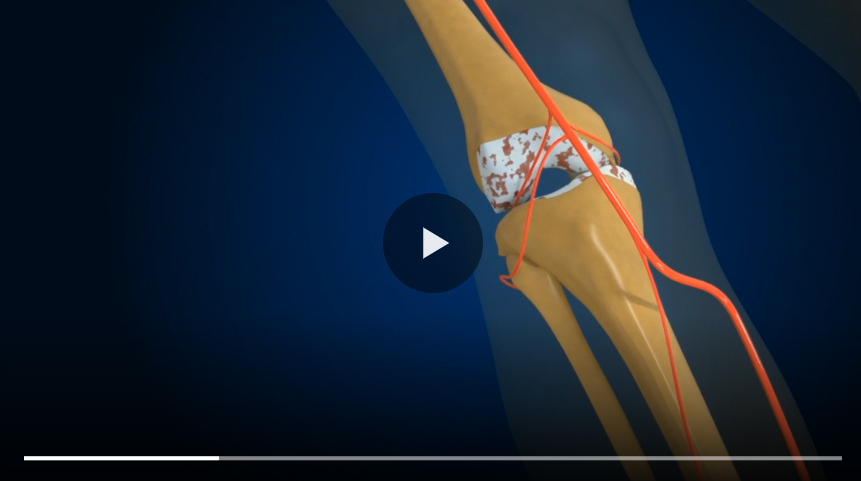
Many patients considering prostate artery embolization ask the same question: Is PAE covered by insurance? Prostate Artery Embolization, or PAE, is a minimally invasive treatment that has become an increasingly popular option for men dealing with benign prostatic hyperplasia (BPH). BPH is a common condition that causes an enlarged prostate and uncomfortable urinary symptoms. As awareness of this non-surgical prostate treatment grows, many patients want to understand whether insurance will cover the procedure and what financial considerations to expect.
For patients exploring PAE treatment in Denver, having clear and accurate information about insurance coverage is an important part of the decision-making process.
Does Insurance Cover Prostate Artery Embolization (PAE)?
Insurance coverage for prostate artery embolization has expanded in recent years as more clinical data support its safety and effectiveness. Because up to 50% of men in their 50s and up to 90% of men in their 80s experience symptoms of BPH, most insurance providers recognize PAE as a medically necessary treatment.
Coverage is not universal across all plans, and approval often depends on meeting specific criteria. These may include documented urinary symptoms, confirmation of prostate enlargement through imaging, and a history of unsuccessful treatment with medications.
If your insurance company requires prior authorization, our office will take care of the entire process for you. We will gather and submit all necessary medical records and supporting documentation to help demonstrate that prostate artery embolization (PAE) is an appropriate treatment for your condition, making the experience as smooth and stress-free as possible.
PAE Coverage: Medicare vs. Private Insurance
Medicare covers prostate artery embolization (PAE) when it is deemed medically necessary. Patients enrolled in Medicare often find that the procedure is covered when performed by a qualified interventional radiologist and when proper documentation is submitted.
Working with a provider who understands how to navigate both Medicare and private insurance requirements can make a meaningful difference in obtaining approval.
The Cost of PAE Without Insurance
For patients without insurance coverage, the cost of prostate artery embolization can vary depending on the facility, provider expertise, and complexity of the case. The total cost often includes imaging, physician fees, facility charges, and follow-up care.
While PAE is generally less expensive than traditional surgical options, it is still important to plan ahead. Many practices offer transparent pricing and may provide financing options or payment plans to help make treatment more accessible. Patients should request a comprehensive cost estimate before scheduling the procedure so they understand all associated expenses.
How to Verify Your Insurance Coverage for PAE
Verifying insurance coverage for PAE is an important step before moving forward with treatment, and our team handles this process for you. At Image Guided Therapy, we do not ask patients to contact their insurance company to check on their coverage.
After your consultation with Dr. Nutting, our office will work directly with your insurance provider to review your benefits and determine next steps. If prior authorization is required, our front desk team manages the entire process behind the scenes, including submitting all necessary documentation and coordinating with your insurance company. We keep you informed throughout each step of the process, so you always know where things stand while we work on securing approval on your behalf.
Our Step-by-Step Insurance Verification Process
To make it clear exactly what to expect, here is how the process works once you decide to move forward:
- Consultation with Dr. Nutting. We confirm that PAE is an appropriate option for your condition and gather the clinical details your insurer will need.
- We collect your records. Our team assembles your medical history, documentation of your urinary symptoms, and any imaging that confirms prostate enlargement, so nothing holds up the review.
- We review your benefits. We contact your insurance provider directly to confirm how your plan covers PAE and what it requires. You do not need to call them yourself.
- We handle prior authorization. If your plan requires prior authorization, our front desk submits all supporting documentation and manages the back-and-forth with your insurer.
- We keep you informed. We update you at each step and confirm your coverage details with you before anything is scheduled, so there are no surprises.
Managing the insurance side for you is part of the concierge care we provide, so you can focus on your treatment rather than paperwork.
Why PAE Can Be Cost-Effective
PAE is often considered a cost-effective alternative to traditional prostate surgery. Because it is performed as an outpatient procedure, it avoids many of the expenses associated with hospital stays and general anesthesia.
Recovery time is typically shorter, which can reduce time away from work and daily activities. In many cases, patients also experience fewer complications, which can lead to lower overall healthcare costs. The combination of clinical effectiveness, convenience, and reduced recovery burden makes PAE an appealing option for many men seeking relief from BPH symptoms.
Additional Considerations for Patients
When researching treatment options, patients often encounter related terms such as enlarged prostate treatment, minimally invasive BPH therapy, interventional radiology procedures, embolization therapy, and prostate health solutions.
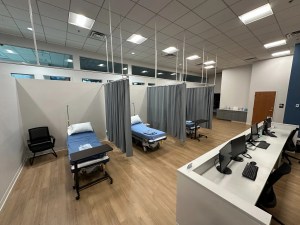
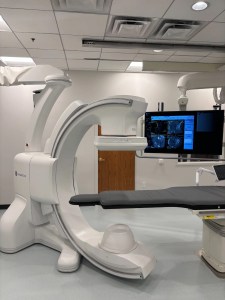
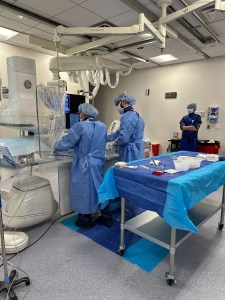
Choosing the right provider is just as important as understanding insurance coverage. At Image Guided Therapy, we focus on delivering state-of-the-art image-guided care in a comfortable outpatient setting. Our goal is to provide personalized treatment plans that address each patient’s unique needs while minimizing disruption to daily life.
We take pride in offering expertise in embolization procedures and supporting our patients through every step of their journey, from consultation to recovery.
What Insurers Look for When Approving PAE
Because PAE coverage usually depends on meeting medical-necessity criteria, it helps to know what most insurers want to see. Each plan sets its own rules, but approval commonly rests on a few things:
- Documented urinary symptoms from BPH, often measured with a standard symptom score
- Imaging that confirms an enlarged prostate
- A history of symptoms that have not responded adequately to medication or other conservative treatment
- The procedure being performed by a qualified interventional radiologist
Our team documents each of these as part of the verification process, which is a large part of why having an experienced provider handle the paperwork matters. Learn more about prostate artery embolization and Dr. Nutting’s experience.
Frequently Asked Questions
Does Medicare cover PAE?
Medicare often covers prostate artery embolization when it is considered medically necessary and performed by a qualified provider.
Do private insurance companies cover PAE?
Many private insurance plans provide coverage, although prior authorization requirements may vary.
How much does PAE cost without insurance?
Costs vary based on the provider, facility, imaging requirements, and follow-up care.
Is PAE considered medically necessary?
For many patients with symptomatic benign prostatic hyperplasia (BPH), PAE may be considered medically necessary when conservative treatments have not provided adequate relief.
Does Image Guided Therapy help with insurance approval?
Yes. The team handles insurance verification, prior authorization, and supporting documentation on behalf of patients.
Does insurance cover prostate artery embolization?
Many plans do, including Medicare and a growing number of commercial insurers, when PAE is documented as medically necessary. Coverage is not universal, so it depends on your specific plan, which our team verifies for you.
How long does insurance approval for PAE take?
It varies by insurer and by whether prior authorization is required. Once we have your documentation, we submit everything promptly, keep you updated, and confirm your coverage before anything is scheduled.
What happens if my insurance denies coverage for PAE?
A denial is not always the end of the road. Depending on the situation, our team can pursue an appeal with additional documentation of medical necessity and walk you through your options.
Visit Image Guided Therapy to Get Started
Relief from BPH symptoms begins with taking that first step toward expert, minimally invasive care. At Image Guided Therapy, we are committed to helping you understand your options, navigate insurance coverage, and determine whether PAE is the right solution for you.
Visit Image Guided Therapy to learn more about our advanced treatments and schedule your consultation with Dr. Nutting. Our team is ready to provide personalized care that helps you regain comfort, improve urinary function, and move forward with confidence.
Ready to begin? Contact us to schedule a consultation with Dr. Nutting and let our team take the insurance details from there.

Image Guided Therapy is a premier, concierge-type radiology practice specializing in embolization and minimally invasive procedures. Led by the world-renowned Dr. Nutting, our practice prioritizes a highly custom, personal touch, ensuring every decision revolves around achieving the best possible outcomes for our patients.