
Living with an enlarged prostate can affect far more than urinary health. For many men, symptoms gradually begin interfering with sleep, work, travel, and overall quality of life. While medications and lifestyle changes may help early on, there comes a point when those approaches may no longer provide enough relief. Fortunately, minimally invasive options are available. Many patients begin researching prostate artery embolization specialists to explore alternatives to traditional surgery that can effectively reduce symptoms with less downtime and fewer side effects.
What Is an Enlarged Prostate (BPH)?
Benign Prostatic Hyperplasia, commonly called BPH, is a noncancerous enlargement of the prostate gland that becomes increasingly common with age. As the prostate grows, it can press against the urethra and restrict urine flow. This pressure often leads to uncomfortable urinary symptoms that worsen over time.
Many men initially dismiss these symptoms as a normal part of aging, but untreated BPH can significantly impact daily life and long-term bladder health. Symptoms may begin gradually and become more disruptive as the prostate continues to enlarge.
PAE is a minimally invasive procedure designed to reduce blood flow to the enlarged prostate, causing it to shrink over time. This helps relieve pressure on the urethra and improve urinary function without the need for traditional surgery. If your symptoms are becoming more difficult to manage, recognizing the signs that it may be time to consider treatment is an important first step.
Frequent Urination and Nighttime Bathroom Trips
One of the most common signs of BPH is the frequent urge to urinate, especially during the night. Many men with enlarged prostates find themselves waking multiple times to use the bathroom, interrupting sleep and causing daytime fatigue.
Frequent nighttime urination, also known as nocturia, can significantly affect energy levels, concentration, and overall well-being. Some men begin limiting travel or social activities because they constantly need access to a restroom.
If you are planning your day around bathroom access or losing sleep because of urinary urgency, it may be time to discuss additional treatment options. PAE can help reduce prostate size and improve bladder emptying, allowing many patients to experience fewer nighttime interruptions.
Weak Urine Stream or Difficulty Starting
A weak urine stream is another common sign that the prostate may be obstructing urine flow. Some men notice their urine stream becoming slower or weaker over time, while others experience difficulty starting urination altogether.
This symptom occurs because the enlarged prostate compresses the urethra, making it harder for urine to pass normally. In some cases, men may strain to urinate or feel frustrated by prolonged bathroom visits.
When urinary flow continues worsening despite medication or lifestyle changes, minimally invasive treatment may be worth considering. PAE works by shrinking the prostate gland, which can relieve pressure on the urethra and improve urine flow over time.
Feeling Like the Bladder Never Fully Empties
Many men with BPH experience the uncomfortable sensation that the bladder never completely empties after urination. Even after using the bathroom, there may still be a lingering feeling of fullness or pressure.
Incomplete bladder emptying can increase urinary frequency because the bladder fills again more quickly. Over time, this symptom may also contribute to bladder irritation and discomfort.
If you frequently return to the bathroom shortly after urinating or constantly feel like you still need to go, these may be signs that the enlarged prostate is interfering with normal bladder function. Addressing the underlying prostate enlargement can help reduce these symptoms and improve daily comfort.
Wanting to Avoid Surgery or Sexual Side Effects
Many patients exploring treatment for BPH are concerned about the risks associated with traditional prostate surgery. While procedures like TURP can be effective, some men worry about recovery time, hospitalization, or potential sexual side effects.
One reason patients are increasingly interested in PAE is because it is minimally invasive and is associated with a lower risk of complications such as retrograde ejaculation or erectile dysfunction. Since the procedure does not involve surgically removing prostate tissue, many men feel more comfortable pursuing this alternative.
Patients who want to avoid general anesthesia or lengthy recovery periods may also appreciate the outpatient nature of PAE. Patients can return home the same day and resume normal activities much sooner than they would after surgery.
When Medications Stop Working
Medications are often one of the first treatment approaches for BPH, but they do not work equally well for every patient. Some men experience only partial relief, while others find that symptoms gradually return despite ongoing treatment.
Certain medications may also cause side effects such as dizziness, fatigue, or sexual dysfunction, making them difficult to tolerate long term.
If medications are no longer controlling your symptoms or side effects are affecting your quality of life, it may be time to consider additional treatment options. PAE offers a minimally invasive alternative that targets the enlarged prostate directly rather than relying on ongoing medication management.
Why PAE Is a Minimally Invasive Alternative
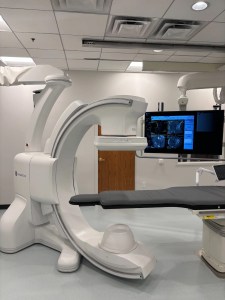
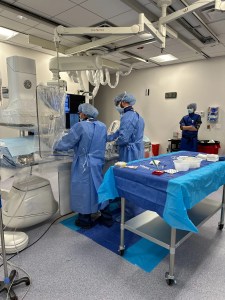
PAE has become an increasingly popular option for men seeking effective relief from BPH symptoms without undergoing major surgery. The procedure is performed by an interventional radiologist using advanced image-guided technology.
During treatment, a small catheter is inserted through a tiny incision in the groin. Tiny embolic particles are then guided into the arteries supplying the prostate, reducing blood flow and causing the gland to shrink gradually over time.
Because PAE is minimally invasive, many patients experience:
- Shorter recovery times
- Lower bleeding risk
- No large surgical incisions
- Outpatient treatment without hospitalization
- Reduced risk of certain sexual side effects
- For example, 80% of patients can discontinue their urinary medications.
- Faster return to normal daily activities
Many men also appreciate that PAE can be an option even if they are not ideal candidates for surgery due to age or underlying medical conditions. Studies have shown that more than 85% of men who undergo Prostate Artery Embolization experience significant improvement in urinary symptoms and quality of life, making it an increasingly trusted alternative to traditional surgical treatment.
Next Steps for Evaluation
At Image Guided Therapy, we understand how frustrating and exhausting BPH symptoms can become. Our goal is to help patients feel informed, supported, and confident as they explore treatment options that align with their health goals and lifestyle.
We believe patients deserve access to minimally invasive solutions that prioritize both symptom relief and quality of life. Our team uses advanced imaging technology and personalized treatment planning to determine whether PAE may be an appropriate option for each individual patient.
By taking time to listen carefully and answer questions thoroughly, we work to create a comfortable and patient-focused experience throughout every stage of care.
Schedule a Consultation
If urinary symptoms from an enlarged prostate are interfering with your sleep, comfort, or daily activities, we are here to help you explore your options. At Image Guided Therapy, we are committed to providing compassionate, patient-first care and advanced minimally invasive treatments designed around your needs.
Our team can help determine whether Prostate Artery Embolization may be the right solution for your symptoms and treatment goals. Whether you are hoping to avoid surgery, reduce medication dependence, or improve your quality of life, we are here to guide you every step of the way.
Schedule an appointment with Dr. Nutting today to learn more about PAE and take the next step toward lasting relief from enlarged prostate symptoms.

Image Guided Therapy is a premier, concierge-type radiology practice specializing in embolization and minimally invasive procedures. Led by the world-renowned Dr. Nutting, our practice prioritizes a highly custom, personal touch, ensuring every decision revolves around achieving the best possible outcomes for our patients.