
A new diagnosis often arrives with a hard assumption attached: that surgery is the only way forward. For many common conditions, that is no longer the case. Minimally invasive treatments now offer a real alternative to traditional open surgery, frequently with less pain, a faster recovery, and no hospital stay.
One of the most established of these approaches is embolization, performed through a tiny catheter rather than a large incision. This guide explains how minimally invasive treatment compares with traditional surgery, where the benefits come from, and the questions worth asking before you choose a path. The goal is to help you make an informed decision about your own care.
What Is a Minimally Invasive Procedure?
A minimally invasive procedure treats a condition through a small puncture or tiny incision instead of the large opening that traditional surgery requires. Doctors use real-time imaging to guide a tiny catheter to the precise spot that needs treatment, which lets them work accurately without disturbing the surrounding healthy tissue.
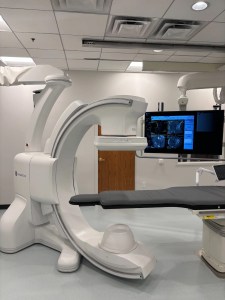
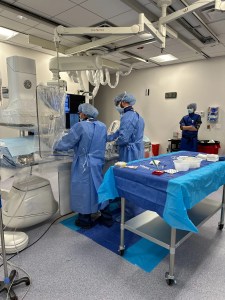
Embolization is a leading example of this approach. An interventional radiologist guides a thin catheter through a small puncture in the skin, navigates it through the blood vessels using X-ray imaging, and delivers a specialized agent that blocks blood flow to the targeted tissue. Most of these procedures use local anesthesia with light sedation rather than general anesthesia, so you stay comfortable while avoiding the bigger risks that come with being fully put under.
Benefits of Embolization Procedures
The benefits of embolization procedures come down to treating a problem effectively while disturbing the body as little as possible. Because the work is done through a catheter, there is no large incision, far less blood loss, and usually nothing more than a small bandage where the catheter entered. For patients, that often means:
- Little to no scarring, with no open incision to heal
- Less pain during and after the procedure
- A same-day, outpatient experience
- Local anesthesia with moderate sedation
- Treatment targeted precisely to the problem area
Outcomes and recovery vary by condition and by individual, and your physician can explain what to expect in your specific situation.
Faster Recovery and Less Downtime
Recovery is where the advantages of minimally invasive treatment and open surgery are most obvious. Traditional surgery can mean a hospital stay followed by weeks, and sometimes months, of healing and rehabilitation. With embolization, patients go home the same day and ease back into light, normal activities within a few days.
There can be some mild soreness or bruising at the catheter site, and your care team will guide you on returning to heavier activity. For people with demanding jobs, active lives, or family responsibilities, that shorter downtime is often the deciding factor.
Reduced Risk Compared to Open Surgery
Every medical procedure carries some risk, and embolization is no exception. That said, working through a small catheter instead of an open incision generally lowers several of the risks tied to traditional surgery. Smaller access points mean less blood loss and a lower chance of wound infection, and relying on local anesthesia with light sedation avoids the added risks of general anesthesia.
Minimally invasive does not mean risk-free. The right choice depends on your condition, your overall health, and the experience of the physician performing the procedure. A careful evaluation beforehand is the best way to understand the specific risks and benefits in your case.
Common Conditions Treated with Embolization
Embolization treats a surprisingly wide range of conditions throughout the body. At Image Guided Therapy, Dr. Nutting uses it to help patients with:
- An enlarged prostate (BPH) in men, through prostate artery embolization (PAE)
- Uterine fibroids, through fibroid embolization
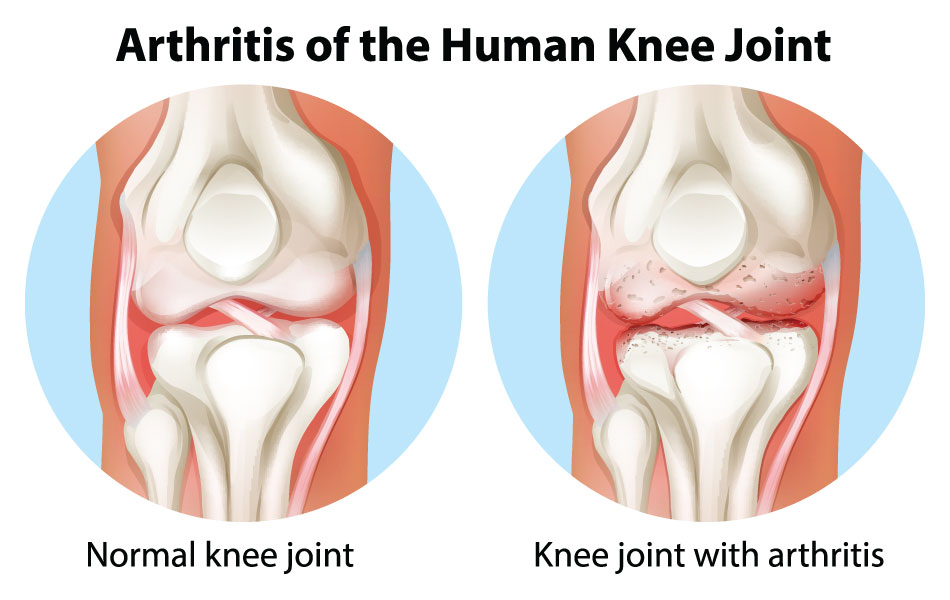
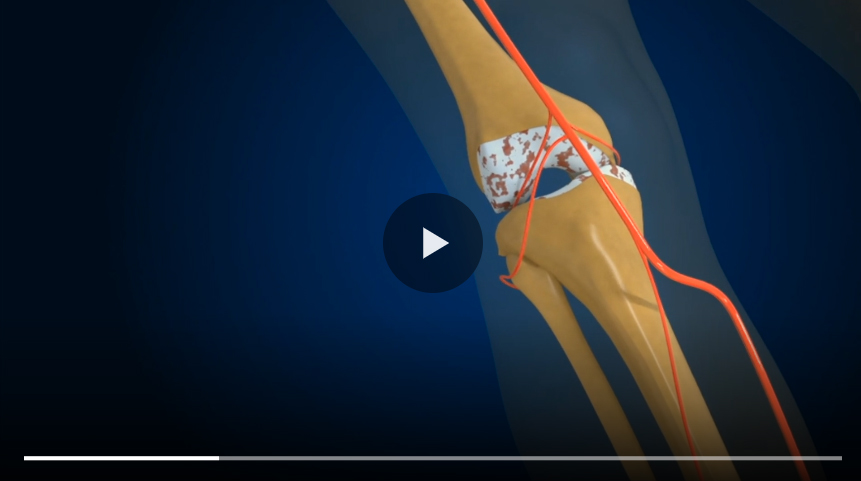
- Knee osteoarthritis, through knee embolization (GAE)
- Liver tumors, through liver embolization
- Hemorrhoids, through hemorrhoid embolization
- Ocular melanoma, through immunoembolization
Each condition is evaluated individually, and embolization is one option among several. The first step is always confirming the diagnosis and determining whether a minimally invasive approach is appropriate for you.
Why Outpatient Procedures Are Growing in Popularity
Across medicine, procedures that once required a hospital stay are steadily moving into outpatient and office-based settings. Peer-reviewed research describes this shift happening at a remarkable rate, driven by advances in minimally invasive techniques, improved recovery protocols, and higher patient satisfaction.
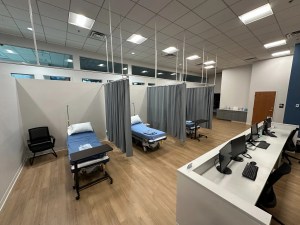
For patients, the appeal is easy to understand. An outpatient procedure usually means arriving in the morning and recovering at home that same evening, in your own bed, with far less disruption to daily life. Image Guided Therapy is an office-based lab, a modern outpatient setting built around this kind of focused, personal care, with advanced imaging technology and a small team rather than the pace and scale of a large hospital.
Questions to Ask Before Choosing Treatment
Choosing how to treat a condition is a significant decision, and good questions lead to better choices. Before committing to any path, it is worth asking:
- Is there a minimally invasive option for my condition?
- How many of these specific procedures has the physician personally performed?
- What are the expected outcomes, risks, and recovery time?
- Is the procedure done on an outpatient basis?
- What are my options if I need further treatment later?
Experience is especially worth probing. For specialized procedures like embolization, the number of cases a physician has performed is closely tied to outcomes, so it is always reasonable to ask before you decide.
Talk Through Your Options
If you are wondering whether a minimally invasive treatment could be right for your condition, the team at Image Guided Therapy can help you understand your options. Schedule a consultation with Dr. Nutting to discuss your diagnosis and whether embolization is a good fit.

Image Guided Therapy is a premier, concierge-type radiology practice specializing in embolization and minimally invasive procedures. Led by the world-renowned Dr. Nutting, our practice prioritizes a highly custom, personal touch, ensuring every decision revolves around achieving the best possible outcomes for our patients.