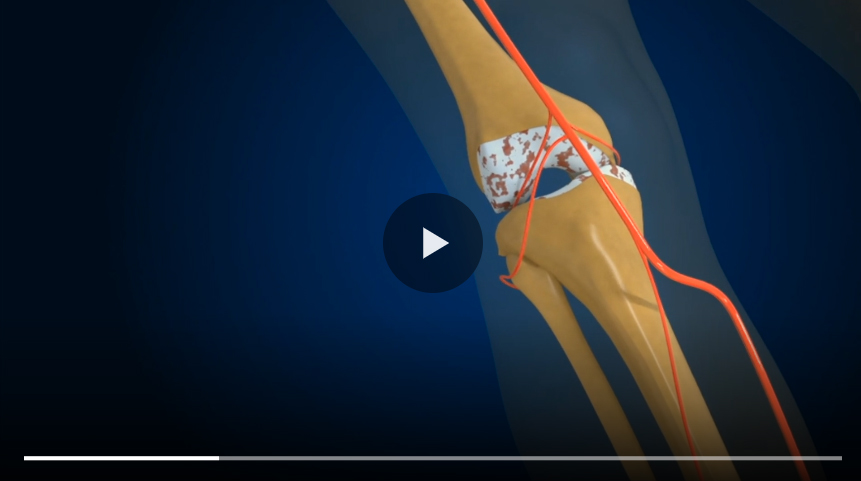
Genicular artery embolization, or GAE, is a minimally invasive way to treat knee pain from osteoarthritis without open surgery. Most patients go home the same day and get back on their feet quickly. If you have a procedure coming up, or you just had one, here is a clear picture of what GAE recovery looks like, from the first day through the weeks that follow. Every recovery is a little different, so the instructions from Dr. Nutting and your care team always come first.
How Long Does GAE Recovery Take?
GAE recovery is usually short. Because the procedure works through a tiny puncture rather than a large incision, there is no long hospital stay and no major wound to heal. Most patients rest for the remainder of the day, take it easy for a couple of days, and return to light daily activity soon after. Compared with a knee replacement, which can mean weeks of rehab, GAE recovery is far gentler on your body.
The First 24 Hours After Your Procedure
You will spend a short time being monitored, then head home the same day. Plan to have someone drive you. For the rest of that first day, the goal is simple. Rest, and let the access site settle. Expect to feel a little tired. Some patients notice mild soreness in the knee or around the puncture site, which is normal and usually eases on its own. Keep water nearby, take it slow, and follow any specific instructions your team sends home with you.
Caring for the Access Site
GAE is performed through a small puncture, often in the upper thigh or sometimes the wrist or foot, depending on your physician’s approach. That access site needs a little care while it heals:
- Keep it clean and dry for the first day or two
- Expect some bruising, which is common and fades on its own
- Avoid heavy lifting and strenuous activity for a few days
- Follow your team’s guidance on showering and bathing
A small bruise or some tenderness at the puncture is normal. Anything that seems to be getting worse rather than better is worth a phone call, which we cover below.
When Will Your Knee Pain Improve?
This is the question most patients ask, and the honest answer is that GAE relief tends to build gradually. Some people feel a difference within the first week or two. For many, improvement continues over the following weeks and months as inflammation in the knee settles. It is rarely an overnight switch. If your pain has not changed right away, that does not mean the procedure failed. Give your body time, and keep your follow-up appointments so your team can track your progress. It can also help to see how other patients describe their recovery, since real timelines vary from person to person.
Getting Back to Normal Activity
Most patients return to everyday activities within a few days. Light walking is encouraged early, since gentle movement supports circulation and healing. Your care team will tell you when it is safe to return to exercise, sports, or more demanding activity. The general rule is to ease back in rather than jumping straight to your hardest workout. Listen to your knee and give it room to recover.
Warning Signs to Watch For
Serious problems after GAE are uncommon, but it helps to know what to look for. Contact the practice or seek medical care if you notice:
- Fever or chills
- Increasing redness, warmth, swelling, or drainage at the access site
- Bleeding that does not stop with gentle pressure
- Worsening or severe knee pain
- Numbness, tingling, or a change in color or temperature in your leg or foot
When in doubt, call. Our team would always rather hear from you than have you wait and worry.
Why GAE Recovery Is Gentler Than Knee Surgery
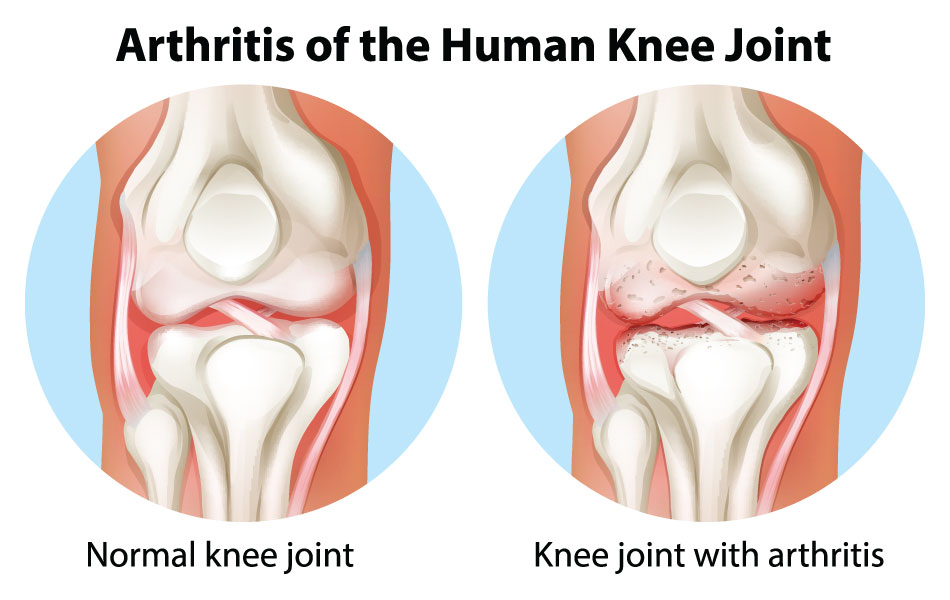
For patients weighing their options, recovery is often the deciding factor. Traditional knee surgery can mean general anesthesia, an overnight stay, and a long rehabilitation. GAE takes a different route. It sits among the minimally invasive treatment options designed to get you home the same day, typically with light sedation and no major incision. For people who want relief from knee pain with less downtime, that difference matters. GAE does not rebuild cartilage or reverse arthritis. For many patients, though, it meaningfully reduces pain and helps them move more comfortably.
Questions About Your Recovery?
Recovery is easier when you know someone has your back. Our small, concierge-driven team stays in close contact with patients before, during, and after the procedure, so you are never left guessing. If anything feels off, or you simply want reassurance, reach out to our team. This article is general information about GAE recovery and is not a substitute for the personal guidance of your care team.

Image Guided Therapy is a premier, concierge-type radiology practice specializing in embolization and minimally invasive procedures. Led by the world-renowned Dr. Nutting, our practice prioritizes a highly custom, personal touch, ensuring every decision revolves around achieving the best possible outcomes for our patients.