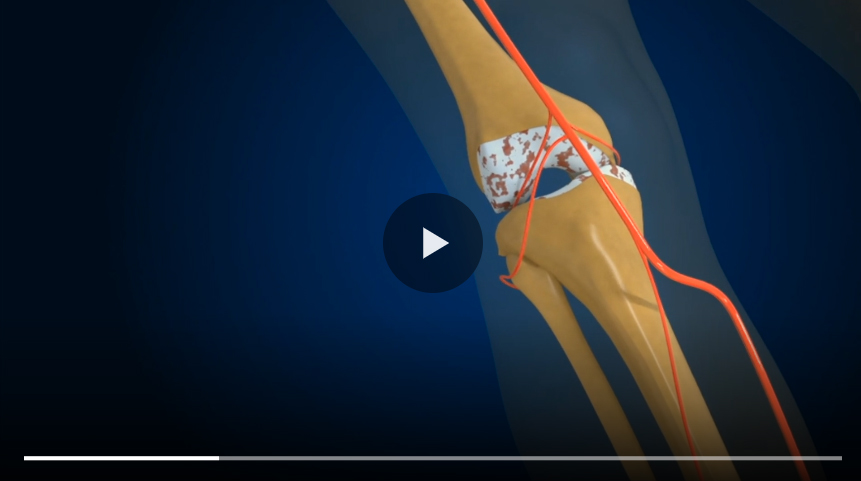

For men struggling with an enlarged prostate, finding the right treatment can feel overwhelming. Benign Prostatic Hyperplasia, or BPH, affects millions of men and often causes frustrating urinary symptoms that interfere with everyday life. Today, patients have more treatment options than ever before, including minimally invasive procedures like prostate embolization therapy (PAE) and traditional surgical approaches such as TURP. Understanding how these treatments compare can help you make a confident and informed decision about your care.
What Is PAE?
Prostate Artery Embolization, commonly known as PAE, is a minimally invasive procedure used to treat Benign Prostatic Hyperplasia, or BPH. Instead of surgically removing prostate tissue, PAE works by reducing blood flow to the enlarged prostate gland. Over time, the prostate shrinks, relieving pressure on the urethra and improving urinary symptoms.
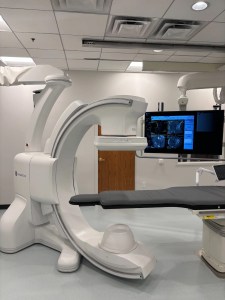
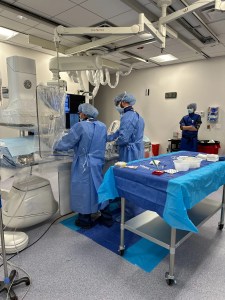
The procedure is performed by an interventional radiologist using advanced imaging guidance. A small catheter is inserted through the groin, and microscopic particles are delivered into the arteries supplying the prostate. These particles block blood flow to targeted areas of the gland.
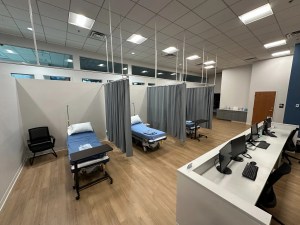
One reason many patients are drawn to PAE is that it does not require traditional surgery. In many cases, patients avoid general anesthesia, large incisions, and lengthy hospital stays. Most men are able to return home the same day and resume normal activities much sooner than they would after surgery.
What Is TURP Surgery?
Transurethral Resection of the Prostate, or TURP, is one of the most established surgical treatments for BPH. During this procedure, a surgeon inserts a specialized instrument through the urethra and removes excess prostate tissue that is blocking urine flow.
TURP has been used for decades and is often considered a standard treatment for men with moderate to severe urinary symptoms. Because prostate tissue is physically removed, many patients experience strong symptom improvement after recovery.
However, TURP is still a surgical procedure, which means it typically requires anesthesia, a hospital stay, and a longer recovery process. Patients may also need temporary catheterization after surgery while the urinary tract heals.
Key Differences Between PAE and TURP
Although both treatments aim to relieve symptoms caused by an enlarged prostate, the experience for patients can be very different. PAE is minimally invasive and focuses on shrinking the prostate by reducing blood supply, while TURP involves surgically removing tissue from the gland itself.
PAE is usually performed with local anesthesia and sedation, making it a less physically demanding procedure for many patients. TURP often requires spinal or general anesthesia and may involve a hospital stay for monitoring and recovery.
Another important distinction is recovery time. Many men who choose PAE return to light activities within a few days. Recovery after TURP is generally longer, with more restrictions during the healing period.
Sexual side effects are also a common concern for patients exploring treatment options. PAE has a lower risk of complications such as retrograde ejaculation and erectile dysfunction when compared to TURP. For men who prioritize preserving sexual function, this can play an important role in decision-making.
Patients with underlying medical conditions may also benefit from PAE. Because it is less invasive and carries a lower bleeding risk, PAE can be a safer alternative for men who take blood thinners or who are not ideal surgical candidates.
Recovery Time Comparison
Recovery is one of the biggest factors many patients consider when comparing prostate treatments. While both procedures can improve urinary symptoms, the healing process often looks very different.
Most men undergoing PAE experience a relatively smooth recovery. Mild pelvic discomfort, temporary urinary frequency, or irritation may occur for a short time after the procedure, but these symptoms usually improve quickly. Patients often return to work and normal routines within several days.
Recovery after TURP can take several weeks. Since tissue is surgically removed, patients may experience more discomfort and physical limitations during healing. Temporary catheter use is common, and strenuous activities are usually restricted while the body recovers.
For many patients, the shorter downtime associated with PAE is a major advantage, especially for those hoping to avoid an extended interruption to daily life.
Risks and Side Effects
Every medical procedure carries some degree of risk, and understanding those risks is an important part of choosing the right treatment. While both PAE and TURP are considered effective options for BPH, they differ in the types of side effects patients may experience.
Common Risks Associated With PAE
- Mild pelvic discomfort or cramping
- Temporary urinary irritation or frequency
- Minor bruising near the catheter insertion site
- Short-term blood in urine or semen
- Rare risk of non-target embolization
Because PAE does not involve surgical removal of tissue, serious complications are less common and bleeding risks are generally lower.
Common Risks Associated With TURP
- Bleeding during or after surgery
- Infection
- Retrograde ejaculation
- Erectile dysfunction
- Temporary urinary incontinence
- Scar tissue formation
- Longer recovery and catheter use
Although many patients recover successfully after TURP, the potential for surgical complications is often an important consideration when comparing treatment options.
Who Is a Candidate for Each?
The best treatment for BPH depends on several individual factors, including prostate size, symptom severity, overall health, and personal goals.
PAE is often an excellent option for men who want to avoid surgery or who may not be ideal surgical candidates due to age or other medical conditions. Patients who are concerned about preserving sexual function or minimizing downtime may also prefer a minimally invasive treatment approach.
TURP may be more appropriate for men with severe urinary obstruction who are comfortable undergoing surgery and anesthesia. Some patients prefer a long-established surgical procedure with decades of clinical use.
Ultimately, determining the right treatment requires a thorough evaluation and discussion with a qualified specialist who understands both options.
Why Patients Choose PAE
At Image Guided Therapy, we understand that prostate treatment is not one-size-fits-all. Our goal is to help patients feel informed, comfortable, and confident throughout every step of their care journey. Many men come to us searching for an alternative to traditional surgery that still delivers meaningful symptom relief.
PAE offers a minimally invasive solution that allows many patients to avoid hospitalization, reduce recovery time, and lower the risk of certain side effects associated with surgery. In a large North American study of 1,000 patients, men who underwent PAE experienced significant symptom relief lasting up to six years after treatment.
We believe patients deserve personalized care that focuses on both their health and quality of life. By using advanced imaging technology and individualized treatment planning, our team works to provide safe and effective care tailored to each patient’s needs.
Schedule a Consultation
If you are struggling with symptoms of an enlarged prostate, we are here to help you understand your options and find the treatment approach that best fits your lifestyle and goals. At Image Guided Therapy, we prioritize patient-first care and believe every individual deserves clear communication, compassionate support, and access to advanced minimally invasive treatments.
Our team is committed to guiding patients through every stage of the decision-making process with expertise and understanding. Whether you are exploring PAE for the first time or comparing it to TURP, we can help you make an informed choice about your care.
Schedule an appointment with Dr. Nutting today to learn whether PAE may be the right solution for you and take the next step toward lasting symptom relief.

Image Guided Therapy is a premier, concierge-type radiology practice specializing in embolization and minimally invasive procedures. Led by the world-renowned Dr. Nutting, our practice prioritizes a highly custom, personal touch, ensuring every decision revolves around achieving the best possible outcomes for our patients.