
If you’re waking up at night to urinate, you’re not alone. Frequent nighttime urination, also known as nocturia, is a common concern among men over 50, is a common concern for men over 50. While it may seem like a minor inconvenience at first, frequent nighttime urination can disrupt sleep, reduce energy levels, and affect overall quality of life. Understanding the underlying causes is the first step toward finding effective relief, especially as more men explore advanced options like prostate artery embolization for long-term symptom improvement.
As men age, changes in the urinary system and prostate health often play a significant role. Identifying what is driving these symptoms can help guide the right treatment approach and restore more restful sleep.
Common Causes of Waking Up at Night to Urinate
There are several reasons why men experience increased nighttime urination. In many cases, more than one factor may be contributing to the issue.
Some of the most common causes include:
- Benign prostatic hyperplasia (BPH): An enlarged prostate can put pressure on the urethra and bladder, making it difficult to fully empty the bladder
- Overactive bladder: The bladder may contract more frequently, even when it is not full
- Fluid intake habits: Drinking large amounts of fluids in the evening, especially caffeine or alcohol, can increase nighttime urine production
- Hormonal changes: Aging can affect the production of antidiuretic hormone, which helps regulate urine production at night
- Sleep disorders: Conditions such as sleep apnea are often linked with nocturia
- Medications: Certain medications, including diuretics, can increase urine output
These causes are often interconnected, which is why a comprehensive evaluation is important for accurate diagnosis and treatment.
When It Could Be an Enlarged Prostate
One of the leading causes of nocturia in men over 50 is benign prostatic hyperplasia. As the prostate gland enlarges, it can restrict urine flow and prevent the bladder from emptying completely. This results in the need to urinate more frequently, including during the night.
BPH is a progressive condition, which means symptoms can worsen over time without treatment. Many men initially notice subtle changes, such as getting up once during the night. Over time, this can increase to multiple trips to the bathroom, significantly disrupting sleep.
Because the prostate surrounds part of the urethra, even small increases in size can have a noticeable impact on urinary function. Addressing prostate enlargement early can help prevent more severe symptoms.
Other Symptoms to Watch For
Nighttime urination is often accompanied by other lower urinary tract symptoms. Recognizing these signs can help determine whether an underlying condition like BPH is present.
Common symptoms include:
- Frequent urination during the day
- Weak or interrupted urine stream
- Difficulty starting urination
- Feeling that the bladder is not fully empty
- Urgency to urinate
- Dribbling at the end of urination
These symptoms may develop gradually, making them easy to overlook. However, they can significantly impact daily comfort and long-term health.
When You Should See a Specialist
While occasional nighttime urination may not be a cause for concern, persistent or worsening symptoms should be evaluated by a specialist. Seeking care early allows for a more accurate diagnosis and a wider range of treatment options.
You may benefit from seeing a specialist when:
- You wake up two or more times each night to urinate
- Your sleep quality is consistently disrupted
- Urinary symptoms interfere with daily activities
- Medications are no longer providing relief
- You experience sudden changes in urinary patterns
At our clinic, we focus on identifying the root cause of your symptoms through advanced imaging and personalized evaluation. This approach helps ensure that treatment is tailored to your specific needs.
Treatment Options for Prostate Relief
There are several treatment options available for men experiencing nocturia, depending on the underlying cause and severity of symptoms.
Lifestyle modifications are often the first step. These may include reducing fluid intake in the evening, limiting caffeine and alcohol, and improving sleep habits.
Medications can also help manage symptoms by relaxing the prostate or reducing its size. While effective for some patients, medications may not provide long-term relief for everyone.
For those seeking a more lasting solution, minimally invasive procedures offer an alternative to traditional surgery. These treatments focus on improving urinary flow and reducing prostate size with less downtime and fewer risks.
How PAE Can Help Patients Find Relief
Prostate artery embolization is an advanced, minimally invasive procedure designed to treat BPH by reducing blood flow to the prostate. This causes the gland to shrink, relieving pressure on the bladder and urethra.
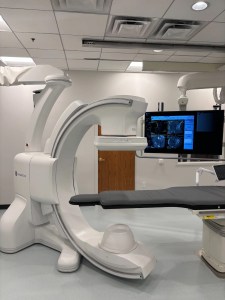
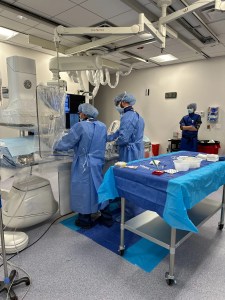
The procedure is performed by an interventional radiologist using image-guided technology. A small catheter is inserted through the groin and guided to the arteries supplying the prostate. Tiny particles are then used to block blood flow, leading to gradual shrinkage of the prostate.
Benefits of prostate artery embolization include:
- Same-day outpatient procedure with no required hospital stay
- Minimal downtime and quick return to normal activities
- Lower risk of complications compared to traditional surgery
- Preservation of sexual function
- Significant improvement in urinary symptoms
Many patients experience fewer nighttime bathroom trips and better overall bladder control after treatment. This can lead to improved sleep and a higher quality of life.
Advanced Care with Image Guided Therapy
At Image Guided Therapy, we specialize in minimally invasive, image-guided treatments that address the root cause of urinary symptoms. Our approach is centered on precision, comfort, and long-term results.
We work closely with each patient to evaluate their condition, explain available treatment options, and develop a personalized care plan. Our expertise in interventional radiology allows us to offer advanced procedures such as prostate artery embolization in a comfortable outpatient setting.
Our goal is to help men regain control of their urinary health without the need for invasive surgery. By combining cutting-edge technology with compassionate care, we provide solutions that fit your lifestyle and health goals.
Schedule Your Consultation Today with Image Guided Therapy
You do not have to accept frequent nighttime urination as a normal part of aging. Effective, minimally invasive treatments are available, and the right care can make a meaningful difference in your daily life.
Schedule an appointment with Dr. Nutting at Image Guided Therapy to take the next step toward better sleep and improved urinary health. Our team is ready to answer your questions, evaluate your symptoms, and guide you toward a treatment plan that restores comfort and confidence.

Image Guided Therapy is a premier, concierge-type radiology practice specializing in embolization and minimally invasive procedures. Led by the world-renowned Dr. Nutting, our practice prioritizes a highly custom, personal touch, ensuring every decision revolves around achieving the best possible outcomes for our patients.