
Chronic knee pain can make even simple daily activities feel difficult. For many people living with osteoarthritis, walking, climbing stairs, exercising, or standing for long periods can become increasingly painful over time. While knee replacement surgery has long been considered a common treatment option, many patients are now exploring minimally invasive alternatives like GAE for knee pain. Genicular Artery Embolization, or GAE, is an innovative procedure designed to reduce inflammation and relieve chronic knee pain without the need for major surgery.
What Is GAE?
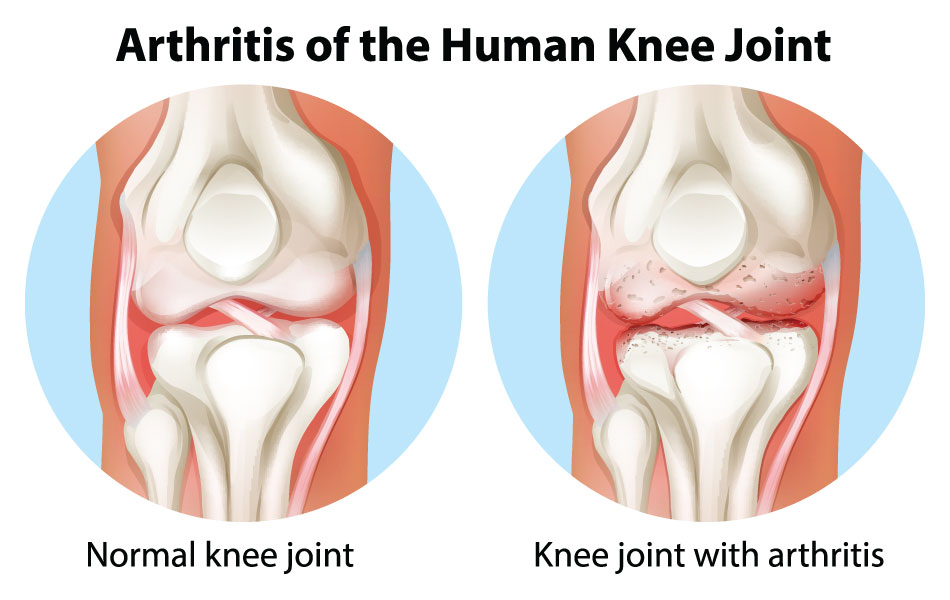
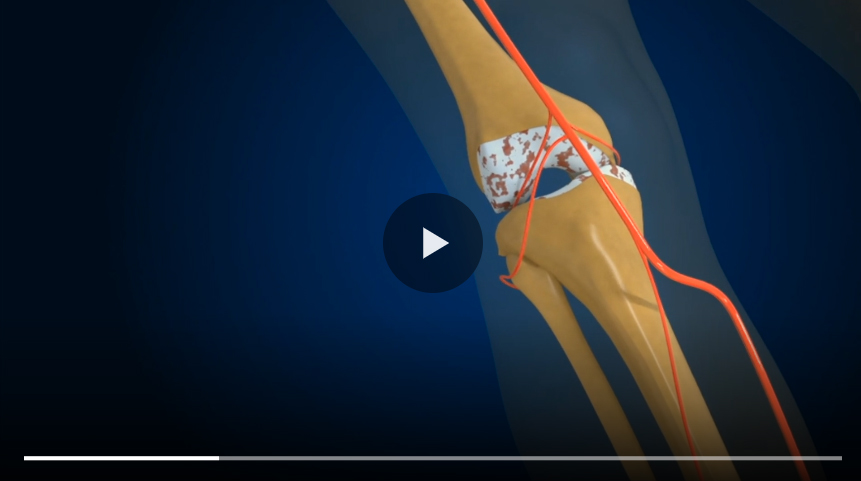
Genicular Artery Embolization is a minimally invasive procedure used to treat chronic knee pain caused by osteoarthritis. The treatment works by targeting the abnormal blood vessels that contribute to inflammation inside the knee joint.
During osteoarthritis progression, the body sometimes develops excess blood vessels around the inflamed areas of the knee. These vessels can increase inflammation and stimulate pain-sensitive nerves, worsening discomfort over time. GAE helps reduce this inflammatory process by blocking blood flow to the problematic vessels while preserving healthy surrounding tissue.
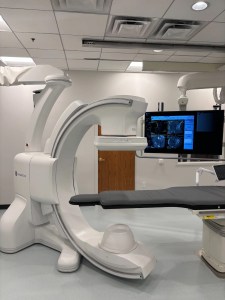
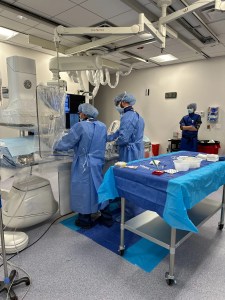
The procedure is performed by an interventional radiologist using advanced image-guided technology. Rather than making large surgical incisions, the physician inserts a tiny catheter through a small opening in the groin and carefully guides it to the arteries supplying the knee. Tiny particles are then injected to reduce blood flow to the inflamed areas.
Because GAE is minimally invasive, patients often experience less downtime and fewer risks compared to traditional orthopedic surgery.
How GAE Helps Reduce Knee Pain
One of the primary goals of GAE is to reduce chronic inflammation within the knee joint. Osteoarthritis pain is not only caused by cartilage wear but also by the inflammatory processes occurring inside the joint. By targeting the abnormal blood vessels associated with inflammation, GAE can help interrupt the cycle that contributes to ongoing pain and swelling.
Many patients report improvements in:
- Daily knee pain
- Joint stiffness
- Swelling and inflammation
- Mobility and range of motion
- Ability to participate in normal activities
Unlike treatments that temporarily mask symptoms, GAE directly targets the blood vessels involved in chronic inflammation. This approach may provide longer-lasting relief for patients who have not found success with conservative treatments such as physical therapy, injections, medications, or bracing. A recent long-term study found that 66% of patients still had significant improvement in knee osteoarthritis symptoms one year after Genicular Artery Embolization, highlighting its potential as an effective minimally invasive treatment option.
GAE also preserves the natural knee joint. Patients who want to delay or avoid knee replacement surgery often appreciate having a less invasive option available.
Who Is a Good Candidate for Knee Embolization?
GAE may be an excellent option for patients with chronic knee pain caused by osteoarthritis, particularly those who have not achieved sufficient relief with nonsurgical treatments.
Ideal candidates often include individuals who:
- Experience moderate to severe knee pain
- Have osteoarthritis confirmed through imaging
- Want to avoid or postpone knee replacement surgery
- Have difficulty participating in daily activities due to pain
- Are not ideal surgical candidates because of age or medical conditions
- Have persistent symptoms despite medications or injections
GAE is not necessarily the right treatment for everyone. Patients with advanced joint damage or certain underlying conditions may still require surgical treatment. A detailed evaluation and imaging review can help determine whether knee embolization is an appropriate option. Because every patient’s condition is unique, consultation with an experienced interventional radiology team is an important step in creating the best treatment plan.
What Happens During the Procedure?
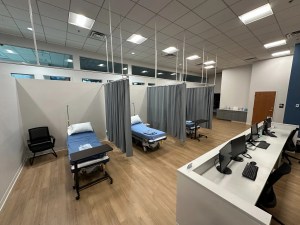
Many patients feel relieved to learn that GAE does not involve large incisions or joint replacement surgery. The procedure is performed on an outpatient basis and usually takes between one and two hours. Before treatment begins, the area where the catheter will be inserted is numbed with local anesthesia. Patients are often given mild sedation to help them remain comfortable throughout the procedure.
Using real-time imaging guidance, the physician advances a small catheter through the blood vessels toward the arteries supplying the knee. Once the abnormal blood vessels contributing to inflammation are identified, tiny embolic particles are carefully injected to reduce blood flow to those areas.
The precision of image-guided technology allows physicians to target inflamed tissue while protecting healthy surrounding structures. After the procedure, patients are monitored briefly before returning home the same day. Since there are no large surgical incisions, recovery is generally much easier than traditional orthopedic surgery.
Recovery After GAE
Recovery after Genicular Artery Embolization is often relatively quick and manageable for patients. Many people are able to resume light daily activities within a few days of treatment.
Some patients experience mild soreness or temporary discomfort around the treatment area immediately after the procedure. These symptoms are usually short-lived and improve as healing progresses. Unlike knee replacement surgery, GAE does not require lengthy physical rehabilitation or extended hospital stays. Patients can walk shortly after treatment and continue improving over the following weeks as inflammation decreases.
Pain relief timelines can vary from patient to patient. Some individuals notice improvement within days, while others experience more gradual symptom reduction over several weeks. Because GAE addresses inflammation within the knee joint, many patients report continued improvement in pain, mobility, and overall function over time.
GAE vs Knee Replacement Surgery
Knee replacement surgery remains an effective treatment option for many patients with severe osteoarthritis. However, surgery is not always the preferred first step for every individual.
GAE offers a less invasive alternative that may help patients delay or avoid joint replacement altogether. Rather than removing and replacing parts of the knee joint, GAE focuses on reducing inflammation and pain while preserving the natural anatomy of the knee.
There are several important differences patients often consider when comparing these treatments:
Advantages Often Associated With GAE
- Minimally invasive outpatient procedure
- No large surgical incisions
- Shorter recovery period
- Lower risk of major surgical complications
- Preservation of the natural knee joint
- No implanted hardware or prosthetic components
Considerations With Knee Replacement Surgery
- Requires hospitalization and anesthesia
- Involves surgical removal of damaged joint surfaces
- Longer rehabilitation and recovery
- Greater physical limitations during healing
- Higher surgical risk for some patients
For many individuals who are not ready for joint replacement or who want to explore less invasive treatments first, GAE can provide an appealing alternative.
Why Patients Are Choosing Minimally Invasive Knee Treatments
At Image Guided Therapy, we understand how frustrating chronic knee pain can be. Many patients come to us after years of trying medications, injections, physical therapy, and other treatments without lasting relief. Our goal is to help patients explore minimally invasive solutions that prioritize comfort, recovery, and quality of life.
We believe patients deserve access to advanced treatment options that do not always require major surgery. GAE allows many individuals to reduce knee pain and improve mobility while avoiding lengthy hospital stays and extensive rehabilitation.
Our team uses advanced image-guided technology and individualized treatment planning to provide care tailored to each patient’s unique needs. We take time to listen carefully, answer questions thoroughly, and help patients feel informed throughout every step of the treatment process. For patients looking for a minimally invasive alternative to knee replacement surgery, GAE may offer meaningful relief and a faster return to everyday activities.
Schedule a Consultation
If chronic knee pain is interfering with your daily life, we are here to help you explore your treatment options. At Image Guided Therapy, we are committed to patient-first care and believe every individual deserves personalized attention and compassionate support.
Our team works closely with patients to determine whether Genicular Artery Embolization may be the right solution for their symptoms and goals. Whether you are hoping to avoid surgery, reduce pain, or improve mobility, we can help guide you toward the treatment approach that best fits your needs.
Schedule an appointment with Dr. Nutting today to learn more about GAE and take the next step toward lasting knee pain relief.

Image Guided Therapy is a premier, concierge-type radiology practice specializing in embolization and minimally invasive procedures. Led by the world-renowned Dr. Nutting, our practice prioritizes a highly custom, personal touch, ensuring every decision revolves around achieving the best possible outcomes for our patients.