
If knee arthritis has you weighing your options, you have probably run into two very different paths: genicular artery embolization (GAE) and knee replacement surgery. Both aim to ease the same problem, the daily pain of knee osteoarthritis, but they go about it in almost opposite ways. One is a minimally invasive outpatient procedure. The other is major joint surgery. Here is a straight GAE vs knee replacement comparison to help you and your doctor decide what fits your situation.
What Is GAE?
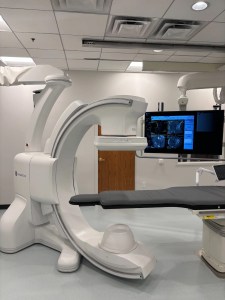
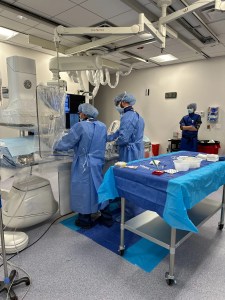
Genicular artery embolization is a minimally invasive treatment for knee pain caused by osteoarthritis. Using image guidance, an interventional radiologist threads a thin catheter through a small puncture and places tiny particles to reduce the abnormal blood flow feeding inflammation in the knee. Less inflammation means less pain. GAE targets the pain of arthritis. It does not replace the joint or repair cartilage.
GAE at a glance:
- Minimally invasive and image-guided
- Outpatient, same-day discharge
- Light sedation through a small puncture
- Eases arthritis pain rather than rebuilding the joint
- Recovery measured in days
What Is Knee Replacement?
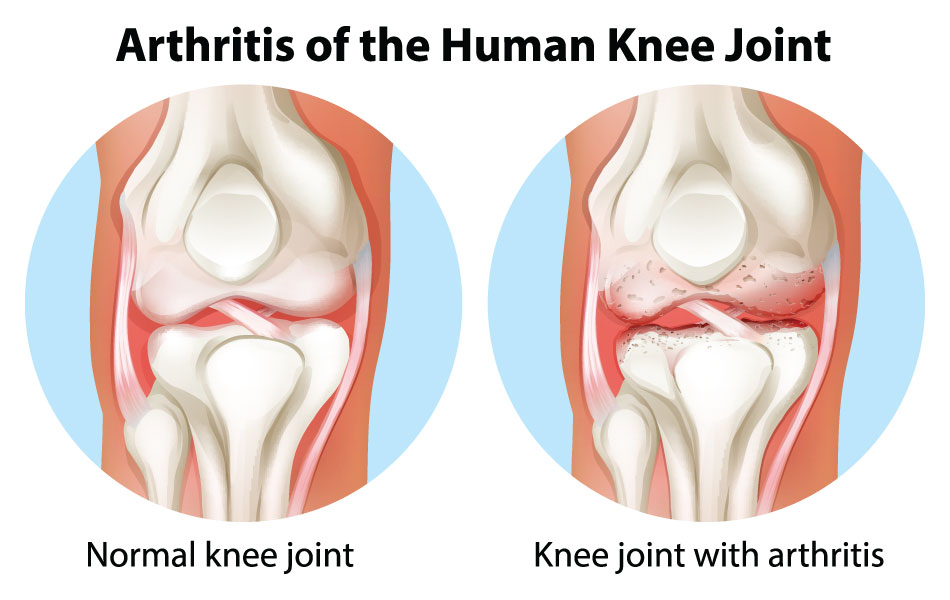
Knee replacement, also called knee arthroplasty, is a surgical procedure that removes damaged joint surfaces and replaces them with artificial implants. It is a well-established operation with a long track record of improving advanced arthritis.
Knee replacement at a glance:
- Open joint surgery with implants
- General or spinal anesthesia
- Often a short hospital stay
- Rehabilitation over weeks to months
- Long, proven track record for advanced arthritis
GAE vs Knee Replacement: The Main Differences
Both procedures treat knee arthritis pain, but almost everything about how they work is different. Here is the head-to-head.
How Invasive Each One Is
GAE works through a puncture about the size of a pen tip and needs only light sedation. It is one of several minimally invasive treatment options done in an outpatient lab. Knee replacement is open surgery that removes and rebuilds the joint. If avoiding a major operation is a priority, that gap is the headline difference.
Recovery Time
With GAE, most patients rest for a day or two and return to light activity within a few days. Knee replacement recovery is longer, with physical therapy and a gradual return to full activity over weeks to months.
What Each One Treats
This is the core distinction. GAE reduces the pain signals coming from an arthritic knee. Knee replacement removes the arthritic joint surfaces and swaps in an implant. GAE manages the pain. Replacement rebuilds the structure.
Who Each One Suits
GAE is often considered by:
- Patients with mild to moderate arthritis
- People who are not ready for surgery
- Those hoping to delay or avoid a knee replacement
- Patients who are not strong surgical candidates
Knee replacement is typically reserved for:
- Advanced, end-stage arthritis
- Significant structural joint damage
- Patients for whom other treatments have stopped working
How Long Results Last
Knee replacement is designed to be a long-term, often permanent solution, though implants can wear over many years. GAE is newer, and while results can last, the long-term data is still being gathered. Dr. Nutting is a principal investigator in an international trial studying exactly that question.
Which Option Is Right for You?
There is no single right answer, and the honest version is that it depends on your arthritis, your overall health, and your goals. Many patients choose GAE to relieve pain and delay or avoid surgery, especially earlier in the arthritis journey. Others, particularly those with severe, end-stage arthritis, get the most durable results from replacement. The best decision comes from an honest conversation with a physician who can review your imaging and your situation. It can also help to hear from patients who chose GAE and how it worked for them.
Can You Still Have a Knee Replacement After GAE?
Yes. One reason patients find GAE appealing is that it keeps their options open. Because it does not remove or alter the joint itself, having GAE does not take knee replacement off the table later. For many people, GAE is a way to buy time and comfort while holding onto the option of surgery down the road.
Talk Through Your Options
Choosing between GAE and knee replacement is a big decision, and you should not have to make it alone. Our concierge-driven team walks patients through the trade-offs honestly, using advanced imaging to figure out what actually fits your knee and your life. If you want to understand whether GAE is a realistic option for you, reach out to our team. This article is general information and is not a substitute for personalized medical advice from your own physician.

Image Guided Therapy is a premier, concierge-type radiology practice specializing in embolization and minimally invasive procedures. Led by the world-renowned Dr. Nutting, our practice prioritizes a highly custom, personal touch, ensuring every decision revolves around achieving the best possible outcomes for our patients.